Paint protection film vs ceramic coating is a choice between impact defense and maintenance ease. PPF is a thick, self-healing layer that absorbs chips and scuffs; ceramic coating is a thin, durable shell that boosts gloss and speeds up washing. In Mississauga and the GTA, many cars benefit from a smart mix of both.
By Prime Auto Wash • Last updated: 2026-07-10
Mississauga shop insight for Unit #3 drivers
Gravel from 400‑series highways and winter salt chew up lower doors and rocker panels. We also see bumper scrapes at underground ramps. Plan full‑front + rocker PPF, then ceramic everywhere else for slick cleanup after slush and spring pollen.
| Prime Auto Wash at a glance | |
|---|---|
| Service area | Mississauga, Brampton, Toronto (GTA) |
| Mobile capability | Self-contained unit with onboard power and water |
| In‑shop hub | Mississauga (Unit #3 area) |
| Hours | Mon–Sat 8:30am–6:00pm; Sun 10:00am–5:00pm |
| Protective services | Paint Protection Film (PPF) and Ceramic Coating |
| Detailing services | Interior/Exterior, Paint Correction, Express Service |
| Same‑day option | Same‑day mobile detailing available across the GTA |
| Trust signals | Certified detailers, fully insured, eco‑friendly products |
Overview
PPF is a multi‑mil urethane barrier that self‑heals light marring and stops rock chips; ceramic coating is a microns‑thin, hard layer that amplifies gloss and sheds grime. For GTA roads, protect impact zones with film and use coating for the rest to cut wash time.
Two real‑world truths guide our advice:
- One stone on the 401 will star a clearcoat—no coating prevents that. Film does.
- Weekly washes get easier with coating—slush, pollen, and dust rinse off faster.
In our shop, we bias protection by panel and driving pattern, not by product label.
What Each Product Actually Does to Your Paint
PPF adds a 6–8 mil self‑healing skin that absorbs impacts and abrasion. Ceramic coating crosslinks into a 1–3 micron shell (2–5 on some pro systems) that hardens the surface, deepens gloss, and increases hydrophobics. Film prevents damage; coating keeps paint cleaner and shinier.
From the bay: a customer brought a 2023 Model Y, three weeks off the lot, after a QEW commute. The hood looked peppered. That’s unprotected highway miles. With a full‑front PPF install, those hits land on the film—not your paint.
- PPF strengths: Impact absorption, abrasion resistance, door‑edge and trunk‑sill protection, self‑healing with heat.
- Ceramic strengths: High gloss after paint correction, UV and chemical resistance, tight water beading that shortens wash time.
Want a neutral primer on film behavior and install goals? See this concise paint protection overview of thickness, stretch, and edge finishing.
Head‑to‑Head: Paint Protection Film vs Ceramic Coating at a Glance
Impacts and abrasions → PPF wins. Gloss, UV defense, and fast washing → ceramic wins. Most GTA drivers build a hybrid: film up front and low, coating everywhere else.
| Attribute | Paint Protection Film (PPF) | Ceramic Coating |
|---|---|---|
| Primary strength | Impact + abrasion defense | Gloss + easy maintenance |
| Typical thickness | 6–8 mil (urethane) | 1–3 μm (consumer); 2–5 μm (pro) |
| Rock‑chip resistance | Excellent (absorbs hits) | Low (too thin for impacts) |
| Self‑healing | Yes, with heat | No |
| Gloss boost | Good | Excellent |
| Hydrophobic beading | Good | Excellent |
| Best panels | Front end, rockers, door edges, trunk sill | All painted panels, wheels, trim |
Translation you can feel: a single gravel pop on the 401 will leave a white star in unprotected clearcoat. Film takes that bruise; coating won’t.
When PPF Is the Right Call for GTA Drivers
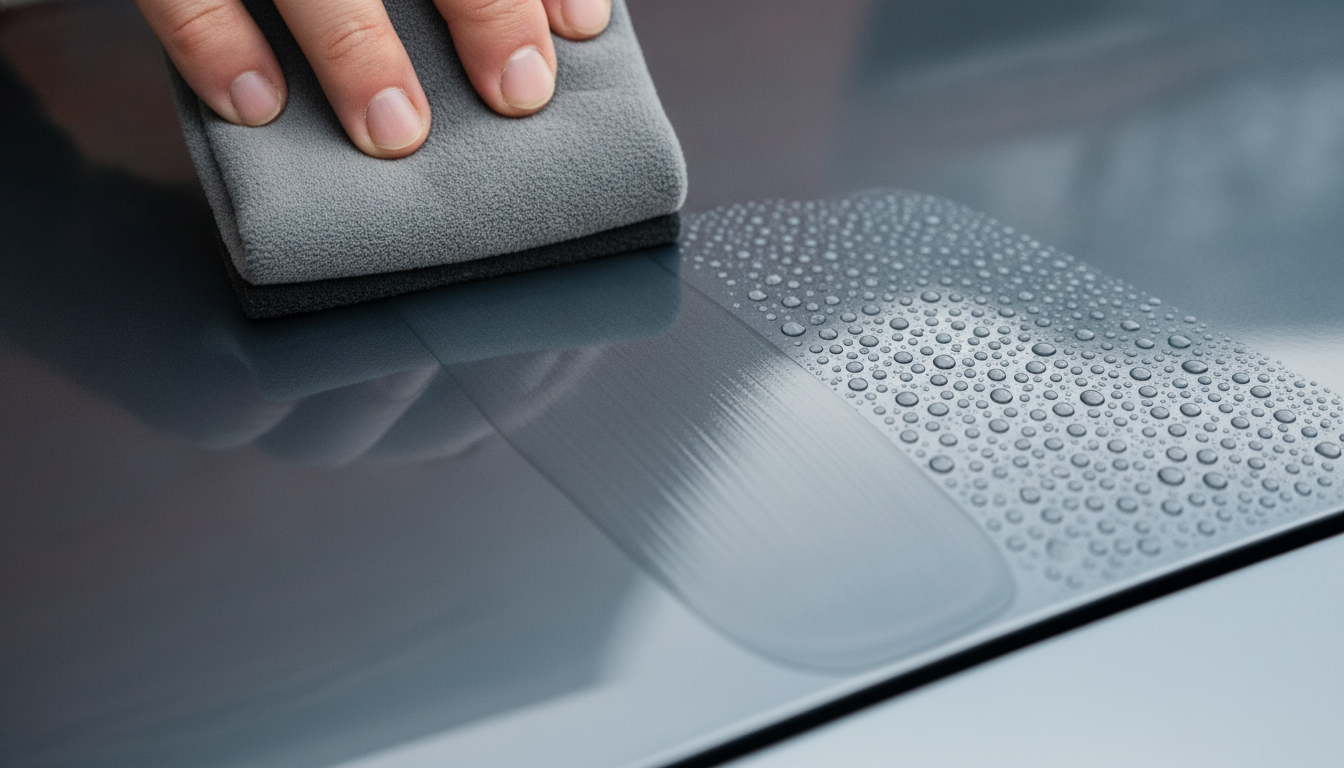
Choose film if you see highway miles, winter slush, or tight parking. It prevents chips on the front end, shields rocker panels from salt spray, and shrugs off bumper rub on garage ramps.
- Highway exposure: Daily 401/QEW runs—cover bumper, hood, fenders, mirrors.
- Winter grime: Salt slurry sandblasts lower doors—add rockers and door bottoms.
- Urban parking: Door‑edge and trunk‑sill film cut routine contact damage.
- Sporty setups/wide tires: More grit fling → extended front and rocker coverage.
For a technical refresher on film properties and self‑healing claims, skim this public PPF explainer. In our bay, we stretch, set, and warm edges so the install disappears to the eye.
When Ceramic Coating Makes More Sense
Pick ceramic if you want deep gloss, UV resistance, and faster washes. It won’t stop rocks, but it reduces wash‑induced marring and keeps paint looking freshly detailed longer.
- Daily drivers: Less grime adhesion means quicker weekly washes.
- Dark colors: Extra depth and slickness slow visible swirl buildup.
- Garage‑kept cars: Strong gloss retention with minimal upkeep.
- Wheels and trim: Coated faces shed brake dust and winter film more easily.
Prep is everything. We typically decon, then machine polish. See our exterior detailing steps and explore our ceramic coating service for maintenance best practices.
Can You Use Both? (And When It’s Worth It)
Yes—install PPF on the full front and rockers, then ceramic‑coat all remaining paint. That hybrid balances chip protection with easier maintenance for GTA winters and summer road trips.
- PPF first: Bumper, hood, fenders, mirrors, rocker panels, trunk sill.
- Coating second: All painted panels, headlights, trim, and wheels.
Curious about sequence and chemistry? This short note on coating over PPF explains why film first, coating second delivers the slickest cleanup without compromising impact defense.
Our Top Pick
Prime Auto Wash is the GTA pick for balanced protection because we install both PPF and ceramic in‑house, prep paint correctly, and support mobile detailing when conditions allow.
We’re product‑agnostic and panel‑specific. For brand‑new deliveries, our New Car Package Pro bundles decon and polishing so film and coating lay down on a corrected surface. For daily drivers, our Mississauga hub (Unit #3 area) handles precision‑cut film, while our mobile team brings coating application to your driveway when weather cooperates.
Top Options Compared in the GTA
Pick a shop that offers both film and coating, performs paint correction, and understands winter maintenance. Here’s how Prime Auto Wash stacks up against real local choices and well‑known resources.
| Provider / Resource | Best For | PPF | Ceramic | Mobile |
|---|---|---|---|---|
| Prime Auto Wash (Top Pick) | Balanced PPF + ceramic with pro prep | Yes | Yes | Yes |
| Wash Me Now | Mobile‑first convenience | Varies | Varies | Yes |
| Auto Detailing Pro | Package variety by vehicle size | Varies | Varies | Yes |
| Detailing Knights | On‑site detailing | Varies | Varies | Yes |
| In N Out Car Wash & Detailing Centre | Shop‑based services | Varies | Varies | No |
| Manufacturer resource: Ceramic Pro | Coating education | — | — | — |
| Manufacturer resource: Avery Dennison | Film education | — | — | — |
| Manufacturer resource: Hexis Americas | Film education | — | — | — |
Prime Auto Wash: We pattern‑cut, wrap edges, and heat‑set for invisible seams. Coating installs follow decon and polishing so hydrophobics and gloss last.
Wash Me Now: Strong mobile convenience. Ask whether complex film installs happen in a controlled bay—dust and wind can spoil edges.
Auto Detailing Pro: Known for package variety by vehicle size. If you seek protection, confirm paint correction steps before coating.
Detailing Knights: On‑site service focus. Verify film edge wrapping and rocker coverage for winter driving.
In N Out Car Wash & Detailing Centre: Established shop. Inquire about dedicated PPF space and post‑install care support.
Ceramic Pro, Avery Dennison, Hexis: Useful primers for product properties and care expectations; we translate those specs into panel‑by‑panel GTA recommendations.
Local considerations for Unit #3
- Traffic near the Mississauga Chinese Centre means tighter lots—add door‑edge PPF.
- Snow berms by Westacres Park create heavy slush spray—protect rockers and lower doors.
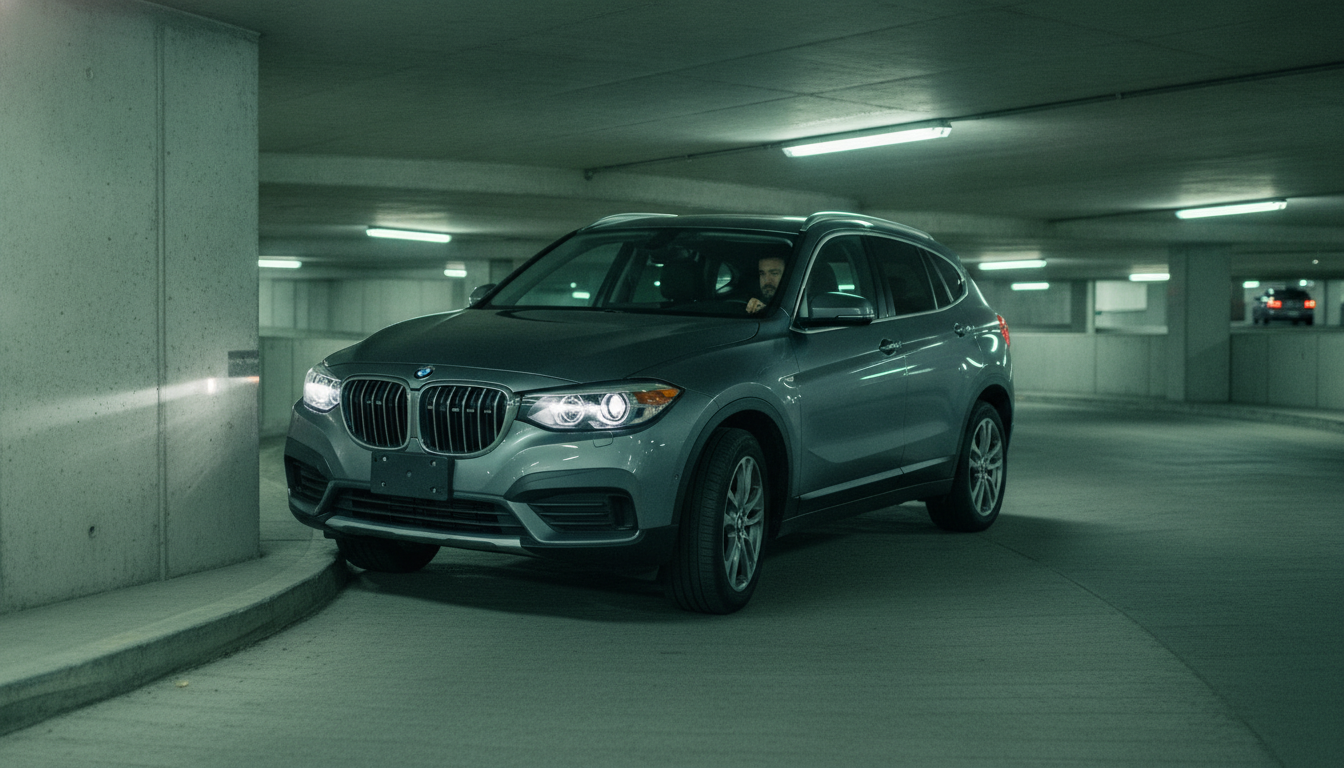
- Underground ramps scuff bumpers—consider full‑bumper film and a trunk‑sill strip.
Free 5‑minute plan: Tell us your commute and parking setup. We’ll map an exact PPF + ceramic combo, then book in‑shop or mobile based on weather.
What Prime Auto Wash Recommends Based on Your Vehicle
Most GTA drivers: PPF on the full front and rockers; ceramic on all remaining paint. New cars benefit from early protection; older paint should be corrected first for clarity and coating bond.
- New delivery or lease: Protect early. Pair full‑front + rocker PPF with ceramic everywhere. See our PPF service.
- City commuter: Bumper, hood, fenders, mirrors in film; ceramic on doors/roof for faster wash‑downs.
- Family SUV/minivan: Add door‑edge and trunk‑sill film; coat wheels to shed brake dust.
- Weekend/enthusiast car: Track‑oriented film patterns; single‑stage polish then coat for show gloss.
Not sure if paint needs refinement? Our paint correction guide explains how we remove swirls before sealing in shine. For coating care, review our exterior detailing steps.
How to Choose (Step‑by‑Step)
Match product to risk. Impacts → PPF. Maintenance + gloss → ceramic. Hybrid → both. Walk your route, parking, paint condition, and ownership timeline to finalize panels and products.
- Map your route: Highways and winter use? Prioritize front‑end and rocker film.
- Inspect paint: If you see swirls or sap etching, schedule correction before coating.
- Pick panels: Start with full‑front; add mirror caps, rockers, door edges, trunk sill.
- Add coating: All remaining paint, plus wheels and trim for easier cleanups.
- Plan upkeep: Gentle two‑bucket washes; periodic toppers keep beading strong.
For product properties and install goals, here’s a neutral film summary you can skim before we spec your panels.
Methodology
These recommendations come from daily installs in Mississauga and mobile work across the GTA, plus publicly available primers on urethane films and ceramic coatings. We optimize by panel, not by product hype.
- Shop floor evidence: We see where chips land first; our patterns reflect that.
- Local wear drivers: Salt, sand, tight ramps, and downtown parking shape our plans.
- Product behavior: Thin coatings bead and shine; thick films absorb hits—see this film explainer for a quick refresher.
FAQ
Quick answers for common questions we hear in Mississauga and across the GTA.
Does ceramic coating prevent rock chips?
No. It’s only a few microns thick—great for gloss and easy washing, not for stopping stones. Use PPF on impact zones, then coat the rest for maintenance and shine.
Can I apply ceramic coating on top of PPF?
Yes. Install film first, then coat. The film absorbs hits; the coating adds slickness and UV resistance. A short layering note is here: coating over PPF.
Do I still need to wash the car with PPF or ceramic?
Yes. Both reduce grime adhesion but don’t eliminate maintenance. Use pH‑neutral soap and soft media. Ceramic makes wash time shorter; film protects during those winter rinses.
What’s the best first step for a brand‑new car?
Protect early. We often install full‑front + rocker PPF, then coat the rest. Explore our PPF service and ceramic coating service for panel choices.
Conclusion
For GTA roads, film stops chips and scuffs where they happen; ceramic coating delivers gloss and faster cleanups everywhere else. A hybrid plan preserves finish quality through winter and busy commutes.
Key takeaways
- Impacts → PPF. Maintenance + gloss → ceramic. Hybrid → both.
- Prioritize full‑front and rockers for highway and winter driving.
- Correct paint first so film and coating lock in clarity.
- Match protection to your route, parking, and ownership timeline.
Next steps
- Share your commute and parking details.
- We’ll spec panel coverage and prep steps.
- Book in‑shop in Mississauga (Unit #3 area) or a mobile slot across the GTA.
Ready for a tailored plan? We’ll map exact panels and care so your finish looks fresh—through salt, slush, and summer road trips.