
Paint protection film (PPF) maintenance is the regular wash, dry, and decontamination routine that preserves clarity, gloss, and edge adhesion. A weekly, gentle hand wash keeps hydrophobic behavior strong and prevents grime from creeping under seams. Around Mississauga and the GTA, winter salt demands faster rinses between storms to stop staining and lift.
By Prime Auto Wash • Last updated: 2026-07-11
| Service area | Mississauga, Brampton, Toronto (GTA) |
|---|---|
| Same‑day mobile | Available; self‑contained unit (no power/water needed) |
| Hours | Mon–Sat 8:30am–6:00pm; Sun 10:00am–5:00pm |
| Google rating | 5.0 average (32+ reviews) |
| Core services | Paint Protection Film, Ceramic Coating, Paint Correction, Full Interior & Exterior Detailing |
Mississauga mobile advantage for winter washes
Our self-contained mobile unit handles safe rinses in driveways without hookups. Near the Mississauga Chinese Centre or Westacres Park, we can be on-site quickly after salting so brine doesn’t dry on lower doors, sills, and PPF seams.
Paint Protection Film Maintenance Tips: Overview
PPF lasts longer when you wash weekly with pH‑balanced soap, use a plush mitt, rinse thoroughly, and blow‑dry to avoid towel marring. Add a monthly film‑safe decontamination. In winter, rinse after salting events. These habits prevent haze, yellowing, and edge lift.
Most PPF failures we see aren’t from bad installs—they happen after a single harsh wash. A customer once hit a brand-new wrap with a hot, caustic tunnel: the next day there was a chalky halo at hood edges. Another common scene in our shop is a faint, tea-tinted band along the seam after weeks of salt spray. Both are preventable with the routine below.
For installation standards and pro help, visit our PPF service page.
What You Need Before You Start (Prerequisites)
Use a pH‑balanced shampoo (roughly pH 6–8), two buckets with grit guards, a high‑GSM mitt, filtered blow‑drying, and a 25° fan nozzle on low pressure. Let new film cure 48–72 hours before the first wash to avoid edge whitening or micro‑lift.
Essentials for a safe PPF wash
- Soap in the pH 6–8 range: Neutral cleaners protect polyurethane top coats and adhesives.
- Two buckets + grit guards: Stop grit from reloading your mitt and scratching softer film surfaces.
- Plush microfiber mitt (high GSM): Glides over texture and reduces marring risk.
- 25° fan nozzle, sensible distance: Keep the tip 12–18 inches from seams and badges.
- Filtered blower + soft towels: Blow‑dry first; only pat remaining drops with fresh towels.
- Film‑safe decon sprays: Keep an iron fallout remover and a gentle tar remover on hand. Avoid hot solvents.
If your PPF was just installed, let it cure undisturbed. Washing too early can turn seam edges milky white and soften adhesive—exactly the “fuzzy” edge we’re asked to fix later. We can confirm cure status at handover and even schedule the first maintenance wash for you.
The 7-Step PPF Maintenance Routine
Rinse thoroughly, foam, contact wash top‑to‑bottom, clean away from edges, rinse again, blow‑dry, and do a monthly film‑safe decon. This 7‑step routine preserves hydrophobics, clarity, and edge adhesion on daily drivers.
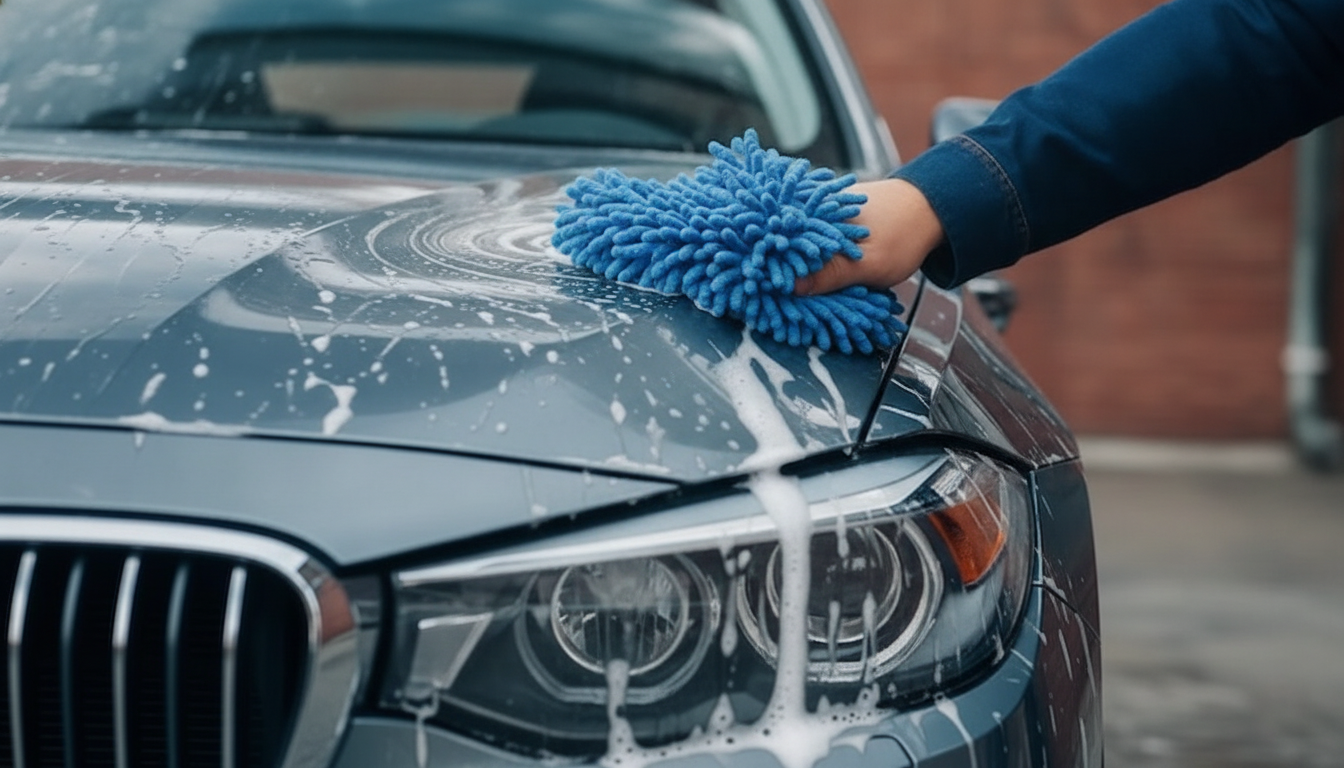
- Generous pre‑rinse. Flush off grit so your mitt never grinds particles into film.
- Thick foam dwell. One minute of dwell lubricates and lifts grime off the surface.
- Straight‑line contact wash. Light pressure, top‑to‑bottom, rinse the mitt often.
- Work away from seams. Pull suds off edges; don’t push soap or grit under film.
- Deep rinse. Target grills, badges, rockers, and wheel arches—salt hides here.
- Contactless blow‑dry. Use filtered air; only pat dry leftover droplets.
- Monthly decontamination. Use iron remover first, then a gentle tar remover if needed. We never clay bare PPF.
Real‑world example: a Brampton commuter came in with crunchy salt deposits packed behind the rocker film. After a safe decon and blow‑dry, we reseated a 2‑inch edge before it turned into a full peel. If you’re unsure, our exterior detailing overview shows how we combine wash, decon, and protection reboosts.
What to Avoid: Common Mistakes That Void Your Film
Skip caustic touchless soaps, brush tunnels, close‑range pressure, dry dusting, harsh solvents, and claying. These seven mistakes haze film, weaken adhesives, and catch edges—often after a single wash.
- High‑alkaline touchless tunnels. Strong detergents strip top‑coat properties and leave chalky halos.
- Brush or curtain washes. They can mar PPF and hook an edge—one pass is enough.
- Pressure wand too close. Keep 12–18 inches from seams; use a wide fan pattern.
- Dry dusting or waterless rubs. Grit acts like sandpaper on softer films.
- Harsh tar/wheel acids. They swell film or stain it amber—use film‑safe removers.
- Claying bare PPF. Even fine clay can haze; we do not clay bare film—full stop.
- Ignoring salt. Salt crust creeps under edges and causes lift. Rinse quickly after storms.
For mineral management on coated or uncoated vehicles, our water spot guide covers safe removal without etching.
Troubleshooting: Yellowing, Lifting Edges, and Water Spots
Yellowing points to UV/chemical exposure, edge lift comes from pressure or trapped debris, and spots are minerals. Tackle causes fast with film‑safe chemistry, careful edge work, and if needed, a pro polish or panel replacement.
Quick diagnostics from our bay
- Yellowing bands at seams: Compare covered vs. exposed paint. If edges look tea‑tinted, reduce alkaline soaps and park out of direct sun when possible.
- Edge lift or trapped bubbles: Soften debris with warm water, wick out with a clean card under a microfiber, and stop. Persistent lift needs a heat‑assisted reseat.
- Mineral spotting: Fresh spots wipe with quick detailer; etched spots need a film‑safe remover. Stubborn etching calls for an in‑shop top‑coat reset.
When film defects run under the surface, chasing them at home often worsens the look. Review blending options in our paint correction guide for transitions near film edges.
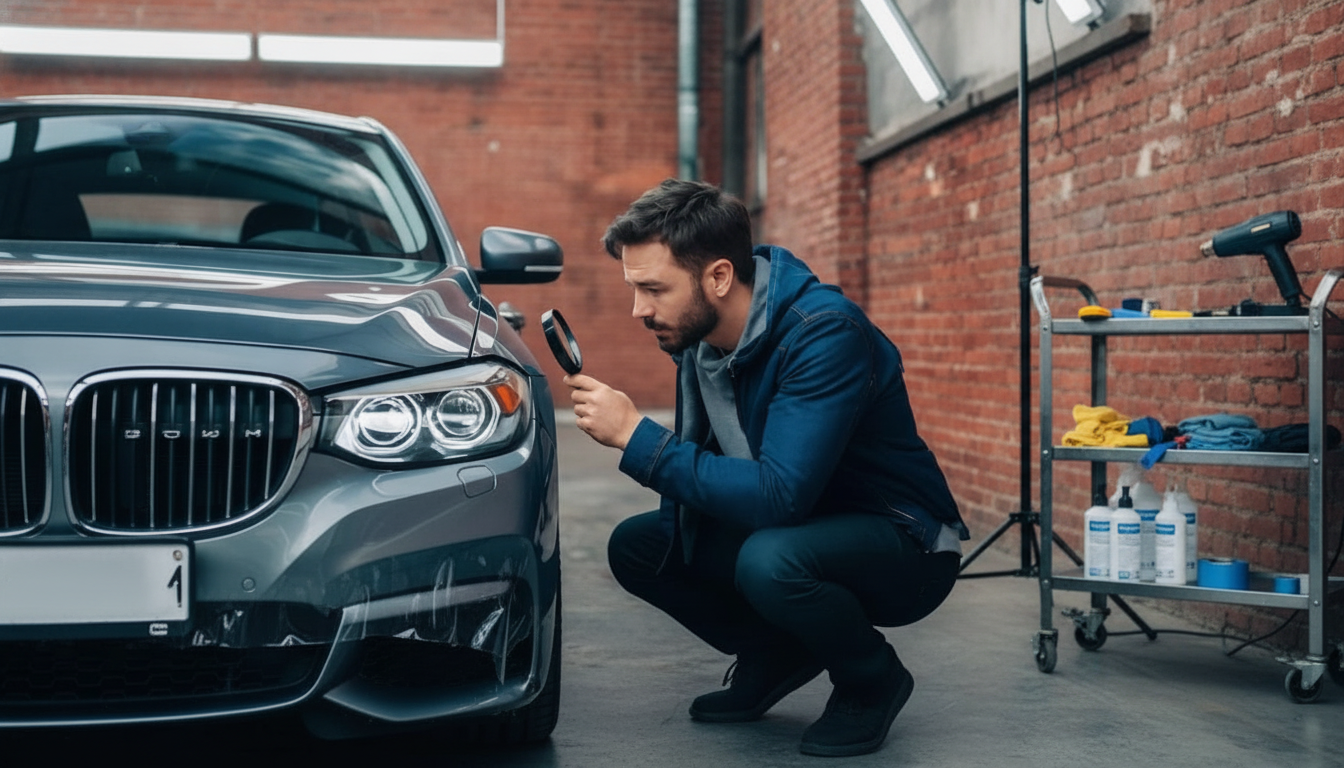
Stuck with lift or spotting? We combine decon, film‑safe polishing, and a top‑coat reboost in one visit—mobile if you can’t get away from work, or in‑shop for maximum control.
When DIY Maintenance Isn’t Enough: Professional Services
Call a pro when you see etched minerals, recurring edge lift, contamination under film, or stubborn staining. We decontaminate safely, polish select films, reseat edges with heat, or replace a panel cleanly when that’s the smarter fix.
- Decon + reboost: Our maintenance appointments restore slickness and clarity. See our exterior detailing overview.
- Film‑safe machine polish: Done in‑shop under LED lighting to reduce haze without burning edges.
- Panel replacement: A new pre‑cut section often beats fighting severe defects.
- Paint correction around film: We blend adjacent paint so the whole panel reads as one finish; details in our paint correction guide.
- Mobile convenience: Our mobile detailing service handles winter rinses and edge checks in your driveway.
For broader reference on PPF properties and care considerations, see general primers such as this PPF overview and product examples here: film overview and a BMW application.
Local Tip: PPF Care in Canadian Winters
Rinse after each salting event, target lower rockers and wheel arches, and dry thoroughly. Schedule a mid‑winter decon and a spring reset to restore hydrophobics. These paint protection film maintenance tips matter most when brine dries fast in the cold.
Freeze‑thaw cycles in Mississauga, Brampton, and Toronto push slush into seams, then lock minerals in place. For timing your maintenance cycle, our note on intervals in how often to detail in Canada can help you plan around weather.
Local considerations for Unit #3
- Traffic near the Mississauga Chinese Centre gets heavy after storms—book early mobile rinses so salt doesn’t cake on rocker film.
- Weekday strategy: a quick contactless rinse the morning after salting prevents white halos from forming on seams.
- If you park by Westacres Park, clear packed snow from wheel wells; meltwater there carries grit into film edges.
Frequently Asked Questions
How soon after PPF installation can I wash my car?
Wait 48–72 hours so edges cure. Washing early can make seams look milky and loosen adhesive. We confirm cure status at pickup and can book the first maintenance wash in‑shop or via mobile.
Can I use a pressure washer on PPF?
Yes—at distance. Use a wide 25° fan, cool water, and keep 12–18 inches from seams and badges. Never drive water directly at an edge or under the film.
How do I remove water spots on PPF?
Treat fresh spots right after washing with a quick detailer. If they’re etched, use a film‑safe mineral remover and reboost protection. Persistent spotting benefits from an in‑shop polish and top‑coat reset.
Do I need ceramic coating over PPF?
Optional but useful. Coatings add slickness and slower soiling, especially in winter. If you coat, follow film‑compatible care—hand wash, blow‑dry, and use neutral soaps.
Key takeaways
- Weekly neutral wash + monthly decon keeps PPF clear and slick.
- Never clay bare PPF; use dedicated film‑safe sprays instead.
- Protect seams: wide fan, keep distance, and blow‑dry.
- In winter, quick rinses after salting stop edge staining and lift.