A fresh-smelling car makes every journey more enjoyable. Unfortunately, unpleasant odours can develop over time due to food spills, moisture, cigarette smoke, pet hair, mould, or bacteria hidden deep within your vehicle’s interior. While air fresheners may temporarily mask these smells, they rarely eliminate the source of the problem.
If you’re wondering how to get rid of bad smells in your car permanently, the solution is identifying the cause, cleaning the affected areas thoroughly, and preventing the odour from returning.
In this guide, you’ll learn what causes car odours, how to remove different types of smells, and the best maintenance practices to keep your vehicle smelling fresh all year.
Why Does Your Car Smell Bad?
A bad smell inside your car is usually a sign that organic material, bacteria, mould, or moisture has built up somewhere in the cabin. Unlike surface dirt, odour-causing contaminants often hide beneath carpets, inside air vents, under seats, or within the air conditioning system.
Ignoring unpleasant smells can lead to more than just discomfort. Persistent odours may indicate water leaks, mould growth, or clogged cabin air filters that can affect your vehicle’s air quality.
Common Causes of Car Odours
Before removing the smell, it’s important to identify its source.
Food and Drink Spills
Coffee, milk, soft drinks, and food crumbs can soak into carpets and seat fabrics. Over time, bacteria feed on these residues, creating unpleasant odours.
Moisture and Mould
Rainwater, wet shoes, or leaking door seals can trap moisture inside the vehicle. Damp carpets and upholstery create the perfect environment for mould and mildew.
Cigarette Smoke
Smoke particles cling to upholstery, the headliner, carpets, and air vents. Simply opening the windows won’t remove these embedded odours.
Pet Hair and Dander
Pets leave behind hair, oils, saliva, and dander that can create lingering smells, especially during warm weather.
Dirty Cabin Air Filter
A clogged cabin air filter collects dust, pollen, and moisture, leading to musty smells whenever the air conditioning is switched on.
Gym Bags and Sports Equipment
Sweaty clothing, shoes, and sports gear often introduce bacteria and moisture into the cabin.
How to Find the Source of the Smell
Rather than masking the odour, inspect your vehicle carefully.
Check the following areas:
- Under the seats
- Floor mats
- Carpets
- Boot or trunk
- Door pockets
- Cup holders
- Air vents
- Cabin air filter
- Spare wheel compartment
If the smell becomes stronger when the air conditioning is running, the issue is likely within the HVAC system or cabin air filter.
Step-by-Step Car Odour Removal Process
Step 1: Remove All Trash and Personal Items
Start by removing:
- Food wrappers
- Empty bottles
- Used tissues
- Old coffee cups
- Sports equipment
- Wet clothing
Even small items can trap moisture and create unpleasant smells.
Step 2: Vacuum the Entire Interior
Vacuum every surface thoroughly, including:
- Seats
- Carpets
- Floor mats
- Under the seats
- Boot area
- Seat rails
Use narrow attachments to reach hidden debris.
Step 3: Shampoo Carpets and Upholstery
Fabric seats and carpets absorb odours easily.
Use an automotive upholstery cleaner or carpet shampoo to remove:
- Food stains
- Mud
- Drink spills
- Bacteria
Allow the interior to dry completely before closing the doors.
Step 4: Clean Hard Interior Surfaces
Wipe down:
- Dashboard
- Centre console
- Steering wheel
- Door panels
- Cup holders
- Gear selector
Body oils and spilled drinks often create hidden odours on these surfaces.
Step 5: Clean the Air Conditioning System
Many unpleasant smells originate from bacteria growing inside the evaporator.
To clean the system:
- Replace the cabin air filter.
- Use an AC disinfectant spray designed for automotive HVAC systems.
- Run the fan on high for several minutes after treatment.
If the smell persists, professional evaporator cleaning may be necessary.
Step 6: Let the Interior Dry Completely
Moisture trapped inside the vehicle is one of the biggest causes of recurring odours.
Open all doors or windows and allow proper ventilation.
Using fans or parking in a dry, shaded area can speed up the drying process.
How to Remove Specific Types of Car Smells
How to Remove Cigarette Smoke Smell
Smoke particles cling to nearly every interior surface.
For best results:
- Shampoo carpets
- Clean the headliner carefully
- Replace the cabin air filter
- Clean air vents
- Use an ozone treatment if necessary
Smoke odours usually require multiple cleaning sessions.
How to Remove Pet Odours
Pet smells are caused by hair, oils, saliva, and accidents.
Remove pet odours by:
- Vacuuming thoroughly
- Using enzyme cleaners
- Washing removable covers
- Cleaning seat belts and door panels
Enzyme cleaners break down organic matter instead of simply masking smells.
How to Remove Milk Smells
Milk is one of the most difficult spills to remove because bacteria rapidly develop.
If milk spills:
- Blot immediately
- Shampoo the affected area
- Use enzyme-based cleaners
- Dry the carpet completely
Never leave moisture trapped beneath the carpet.
How to Remove Mould and Mildew Smells
If your vehicle smells damp, inspect for:
- Wet carpets
- Blocked sunroof drains
- Door seal leaks
- Water entering the boot
Cleaning mould without fixing the moisture source will only provide temporary results.
How to Remove Vomit Odours
Clean the affected area immediately using enzyme cleaners.
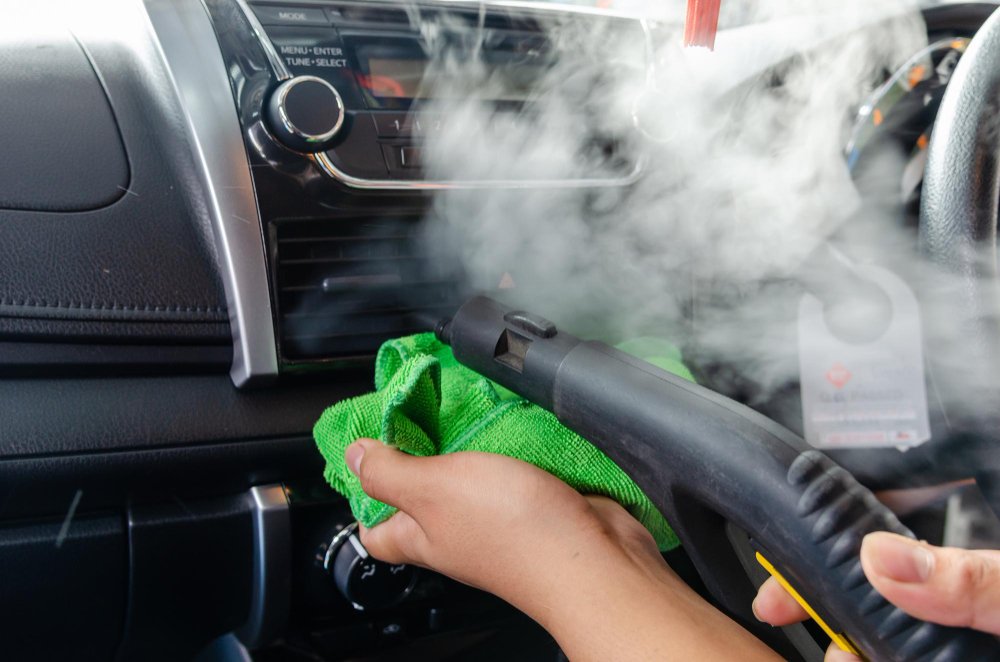
Steam cleaning may be required for severe contamination.
Complete drying is essential to prevent lingering bacteria.
How to Prevent Bad Smells from Returning
Maintaining a fresh-smelling vehicle is easier than removing deeply embedded odours.
Follow these simple habits:
- Remove rubbish regularly.
- Vacuum every two weeks.
- Clean spills immediately.
- Replace the cabin air filter annually.
- Avoid leaving wet items inside the vehicle.
- Dry floor mats after rain or snow.
- Keep windows slightly open when safe to improve ventilation.
- Wash pet blankets regularly.
Preventive maintenance significantly reduces future odour problems.
Professional Car Odour Removal vs DIY Cleaning
While many odours can be removed at home, some situations require professional detailing.
Professional odour removal is recommended for:
- Heavy cigarette smoke
- Flood-damaged interiors
- Severe mould growth
- Persistent pet odours
- Biohazard contamination
Professional detailers use specialised equipment such as:
- Steam cleaners
- Hot water extractors
- Ozone generators
- Interior sanitisers
- Enzyme treatments
These methods remove odours at the source rather than covering them up.
Car Odour Removal Maintenance Checklist
Follow this checklist to keep your vehicle smelling fresh:
Remove rubbish every week
Vacuum carpets regularly
Clean fabric seats monthly
Wipe interior surfaces weekly
Replace cabin air filter every 12 months
Dry wet floor mats immediately
Treat spills as soon as they happen
Clean air vents regularly
Inspect for water leaks
Deep clean the interior every six months
Frequently Asked Questions
Why does my car smell bad even after cleaning?
The source of the odour may still be present beneath carpets, inside the air conditioning system, or in the cabin air filter.
Does baking soda remove car odours?
Baking soda can help absorb mild odours but won’t eliminate bacteria, mould, or deep contamination.
How long does professional car odour removal take?
Most professional interior detailing services take between two and six hours, depending on the severity of the odour.
Will replacing the cabin air filter remove bad smells?
If the smell comes from the ventilation system, replacing the cabin air filter can make a significant difference.
What is the best way to remove cigarette smoke from a car?
Deep interior cleaning combined with cabin air filter replacement and ozone treatment provides the best long-term results.
Are air fresheners enough to remove bad smells?
No. Air fresheners only mask unpleasant odours temporarily. Permanent odour removal requires eliminating the source of the smell.
Final Thoughts
A bad smell inside your car is usually a symptom of hidden dirt, bacteria, moisture, or mould rather than the problem itself. While air fresheners may provide a quick fix, lasting results come from thoroughly cleaning the interior, removing the source of the odour, and maintaining a regular cleaning routine.
Whether you’re dealing with food spills, cigarette smoke, pet odours, or mildew, following the right cleaning process will help restore a fresh, clean cabin. If unpleasant smells continue despite your efforts, a professional interior detailing service can remove deeply embedded contaminants and improve your vehicle’s air quality for the long term.
Keep Your Car Looking Its Best with Prime Auto Wash
Regular car care is about more than appearance, it helps preserve your vehicle’s value, protects the paintwork, and creates a more enjoyable driving experience. At Prime Auto Wash, we offer professional car detailing and cleaning services designed to keep every part of your vehicle in excellent condition.
Whether you need a thorough interior car cleaning, a premium exterior hand wash, paint protection, ceramic coating, or engine bay cleaning, our experienced team uses high-quality products and proven techniques to deliver outstanding results.
If you’re looking for more ways to maintain your vehicle, you may also find these guides helpful:
- Learn how to protect your vehicle’s finish with our Car Paint Protection service.
- Keep your cabin spotless with our Interior Car Detailing service.
- Restore your vehicle’s shine with our Paint Correction solutions.
- Give your wheels a fresh look with our Alloy Wheel Cleaning and Protection service.
- Complete your vehicle care routine with our Full Car Detailing Package.
No matter what your car needs, Prime Auto Wash is committed to delivering professional results that keep your vehicle clean, protected, and looking its best throughout the year.