How to Get Rid of Water Spots on a Car: Complete Guide for Car Owners
Water spots are one of the most common and stubborn cosmetic issues car owners face. Whether they come from rain, sprinklers, hard water, or car washes, these mineral deposits can etch your paint and reduce the overall shine of your vehicle. Understanding how to get rid of water spots on a car is essential for protecting the clear coat, maintaining gloss, and preserving long-term value.
In this guide, you will learn the different types of water spots, why they form, and the most effective removal methods used by professional detailers.
What Causes Water Spots on Cars?
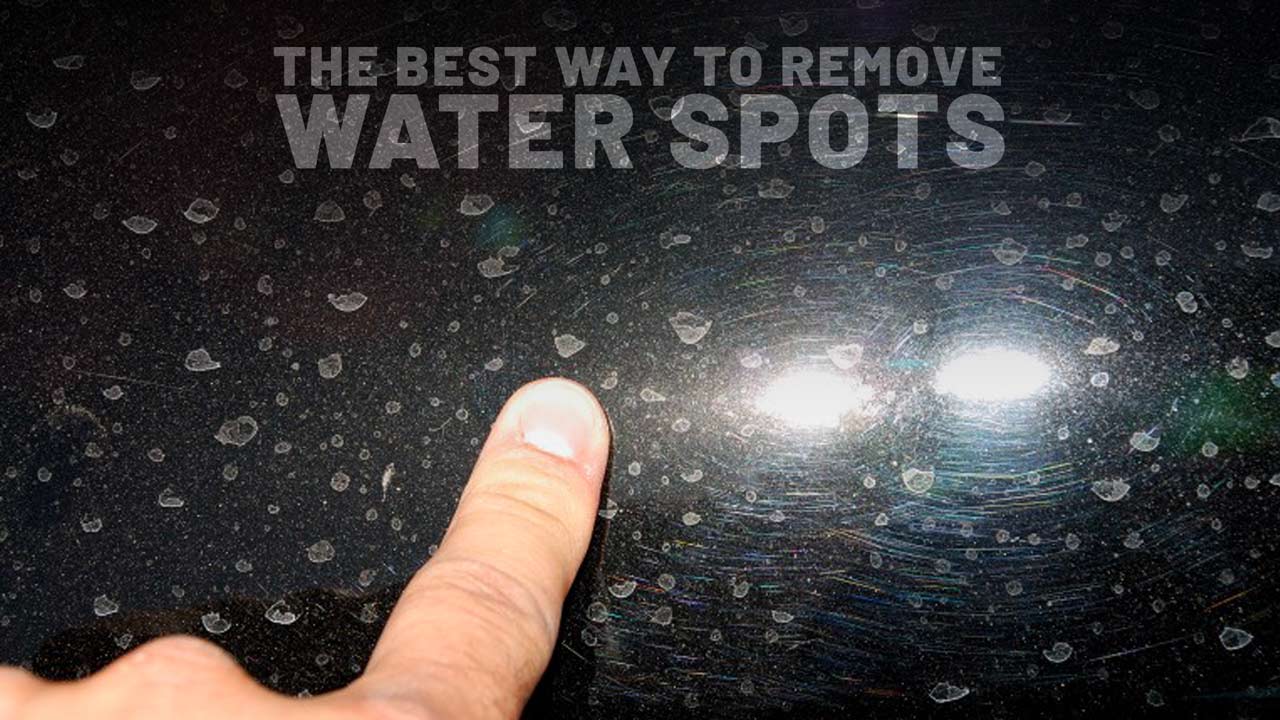
Water spots form when water containing minerals evaporates, leaving behind deposits. The main sources include:
- Hard water from taps or sprinklers
- Rainwater containing pollutants
- Improper rinsing after washing your car
- Leaving your vehicle in direct sunlight after contact with water
These mineral deposits can bond to the paint surface, glass, and chrome, making them difficult to remove without proper techniques.
Types of Water Spots
Understanding the type of spot helps you choose the correct removal method.
- Type I – Mineral Deposits:
Surface-level water spots that sit on top of the clear coat. These are the easiest to remove. - Type II – Etched Water Spots:
Minerals bond into the clear coat due to heat or sun exposure, causing etching. - Type III – Severe Etching:
Deep marks caused by acidic contaminants (bird droppings, rain). These require paint correction.
How to Get Rid of Water Spots on a Car: Best Proven Methods
1. Wash the Car Thoroughly
Start by removing surface dirt. Use:
- pH-balanced car shampoo
- Microfiber wash mitt
- Two-bucket method
This prevents scratching while preparing the surface for deeper cleaning.
2. White Vinegar Solution (Best for Fresh Spots)
Vinegar neutralizes minerals safely.
How to use:
- Mix 50% white vinegar with 50% distilled water.
- Spray directly on water spots.
- Let it sit for 1–2 minutes.
- Wipe with a clean microfiber towel.
- Rinse thoroughly.
When to use:
Effective for Type I mineral deposits.
3. Clay Bar Treatment
A clay bar removes bonded contaminants embedded into the paint.
Steps:
- Spray clay lubricant on the surface.
- Glide the clay bar gently over affected areas.
- Wipe clean and inspect.
Clay bar treatment also improves smoothness and shine.
4. Water Spot Remover / Mineral Deposit Cleaner
Professional water spot removers are formulated to dissolve minerals quickly.
These products help remove medium-level water spots without harming the clear coat.
5. Polishing or Paint Correction (For Etched Water Spots)
If water spots have etched into the clear coat, polishing is required.
Use:
- Dual-action polisher
- Light or medium polish
- Foam polishing pad
This removes a thin layer of clear coat to restore clarity and shine.
6. Glass-Specific Water Spot Cleaner
If the spots are on windows or mirrors, use a glass polish or dedicated glass water spot remover for streak-free results.
How to Prevent Water Spots on Your Car
- Never Air-Dry Your Car:Always dry your vehicle using a microfiber drying towel or blower.
- Wash in Shade:Heat increases the risk of water spots forming.
- Apply Ceramic Coating or Wax:Protective layers make it harder for mineral deposits to bond to the paint.
- Use Filtered or Soft Water:Especially for home car washes.
- Avoid Parking Near Sprinklers:Hard water from landscaping systems causes severe spots.
When to Call a Professional Detailer
If the water spots are severe, etched, or widespread, professional detailing is recommended. Experts use advanced polishing, paint correction, and water spot removal chemicals that restore your vehicle safely without damaging the clear coat.
Final Thoughts
Water spots may look minor, but they can permanently damage your car’s paint if ignored. By following the methods above—vinegar solution, clay bar, water spot removers, and polishing—you can restore your car’s shine and maintain a clean, spot-free finish. Preventive care like waxing, ceramic coating, and proper drying will help protect your car in the long run.